Air Freight vs Air Cargo: What’s the Difference?
If you’ve been looking into shipping by air freight shipping, you’ve probably seen two terms used repeatedly: air cargo and air freight. They sound similar and are often used interchangeably, which can make it unclear whether there’s actually a difference between them.
In simple terms, air cargo refers to the goods being transported on an aircraft, while air freight refers to the commercial service and cost of moving those goods by air on behalf of a customer. Both sit inside the same process, but they focus on different parts of it.
This page explains each term in plain language, outlines when air makes sense in your supply chain, and shows how a logistics partner can help you use air transport strategically, rather than as a last-minute emergency option.
Air Cargo: What’s in the plane?
Air cargo refers to the physical goods that are transported on an aircraft, such as the boxes, pallets, parcels, and products sitting in the plane’s cargo area. It’s a term that focuses on what’s being shipped, not the service or cost of moving it.
What is Air Cargo?
Air cargo refers to:
- Pallets and skids on dedicated cargo planes
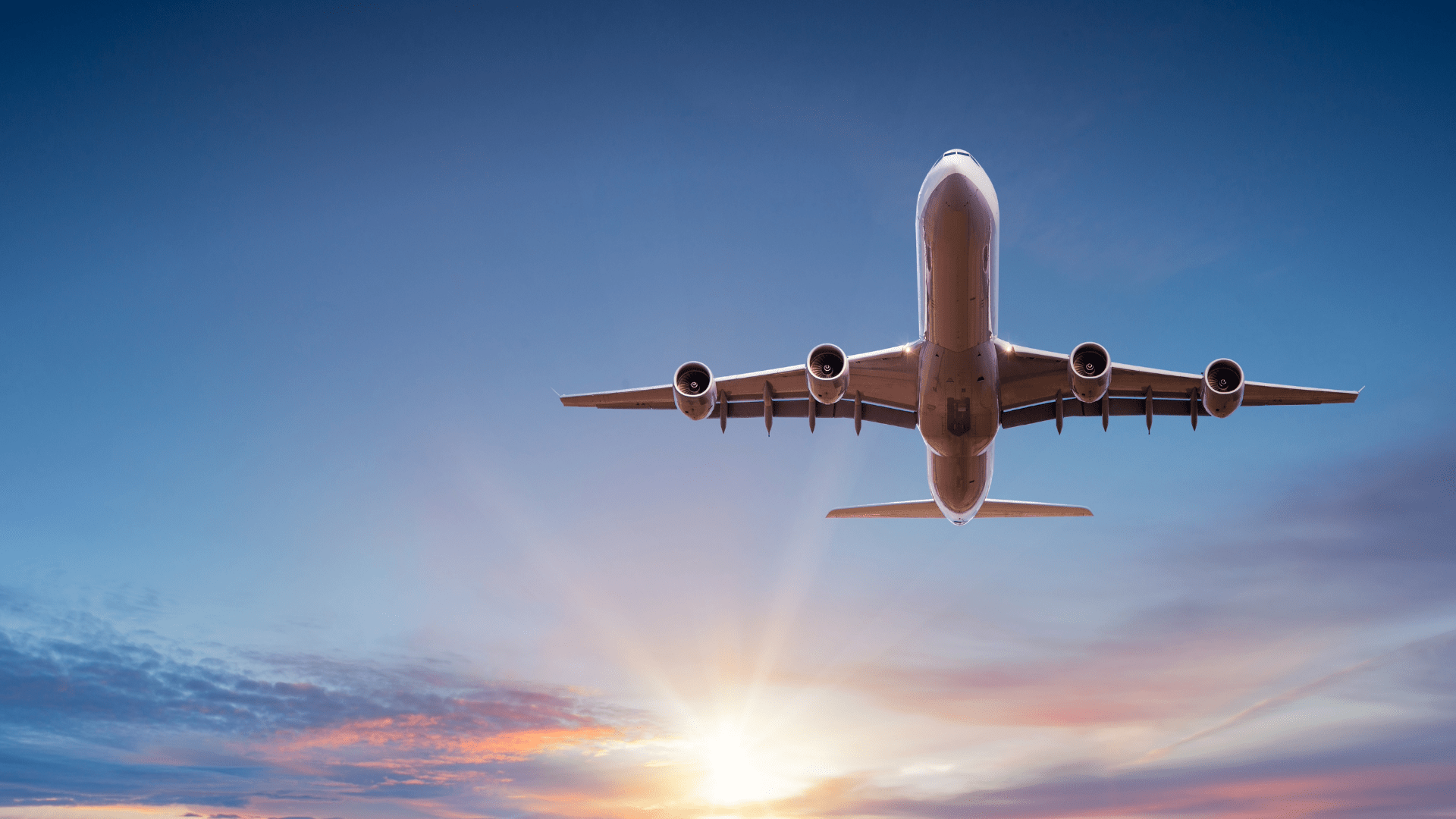
- Goods stored in the belly (cargo hold) of passenger aircraft
- Parcels, mail, and express shipments moving through air networks
- High-value or time-sensitive items (electronics, parts, medical supplies, etc.)
In simple terms, if the plane carries it, it counts as “cargo”.
Most of the time, “air cargo” is used on the professional and operational side of logistics. Airlines use it when discussing available capacity, airports use it for their cargo terminals and handling areas, and industry reports use it when referencing global cargo volumes and trends. In other words, “air cargo” is the language of the people running the planes and facilities that move your goods.
Key Characteristics of Air Cargo
When people talk about air cargo, they’re usually talking about goods that
- Move through dedicated cargo facilities – Shipments are handled in specific cargo terminals with equipment designed for loading, unloading, and securing freight in transit.
- Follow strict packing and security rules – Because they move by air, there are tighter requirements around packaging, labelling, screening, and documentation than many ground shipments.
- Are measured in weight and volume – Air cargo capacity is measured in kilos and cubic space, so how heavy and how bulky your shipment is matters.
- Travel on cargo or passenger aircraft – Your products might move on a dedicated cargo plane or in the cargo hold (“belly”) of a passenger flight, depending on the route and service.
- Are often urgent or high-value – Businesses usually choose air when the shipment is time-sensitive, critical to operations, or valuable enough that speed outweighs the higher cost.
Why Businesses Should Care
For many businesses, air cargo plays a specific, high-impact role in the supply chain. It matters because it can:
-
Protect revenue when timing is critical
When a late delivery would halt production, delay a launch, or cause a stock-out, moving goods by air can prevent lost sales and unhappy customers.
-
Support high-value or sensitive shipments
Electronics, replacement parts, medical products, and other high-value items often move as air cargo because the additional speed and control reduce risk.
-
Reduce lead times in key lanes
Using air for selected routes allows you to shorten lead times, respond faster to demand, and keep less buffer stock on hand.
-
Act as a backup when other modes are disrupted
When ocean, rail, or road networks experience delays or congestion, air cargo can serve as a contingency option to keep critical goods moving.
Used selectively and strategically, air cargo becomes a tool to protect service levels and customer commitments.
Air Freight: How it Gets There
Air freight refers to the commercial service of moving goods by air on behalf of a customer. It covers the shipment itself (your boxes, pallets, or containers booked onto a flight), the planning and coordination required to move it, and the freight and transport charges you pay for that movement.
In other words, air freight focuses on the service and cost of transporting cargo by air, rather than the cargo itself.
What is Air Freight?
When people talk about air freight shipping, they’re usually referring to a package of services that sits around your shipment, not just the space on the plane. In practice, air freight often includes:
- Your cartons, pallets, or containers are booked onto a specific flight or series of flights.
- Selecting the route, carrier, and schedule that balance speed, cost, and reliability for your shipment.
- The cost you pay to move the goods by air, usually based on chargeable weight, volume, distance, and required transit time.
- Arranging local trucking to collect goods from your site, deliver them to the airport, and handle final delivery at the destination where required.
- Preparing and managing air waybills, commercial invoices, packing lists, and any security or regulatory requirements tied to air transport.
Why Businesses Should Care
From a business perspective, air freight shipping is less about terminology and more about how you manage time, risk, and cost. It matters because it helps you:
-
Balance speed and cost on critical shipments
Air freight shipping gives you a structured way to move urgent or high-value goods quickly, without relying on last-minute fixes. You can choose when it makes sense to pay more for faster transit and when other modes are sufficient.
-
Avoid managing airlines and airports on your own
Instead of dealing directly with multiple carriers and terminals, air freight services allow you to work through an air forwarding or logistics partner who coordinates the details on your behalf.
-
Get predictable timelines and pricing
Air freight shipping is typically quoted with clear rates and estimated transit times, which makes it easier to plan production, inventory, and customer commitments around your shipments.
-
Integrate air into a wider logistics strategy
Used properly, air freight isn’t a last-resort emergency option. It becomes one of several tools – alongside road, rail, ocean, and warehousing – that you can use to keep your supply chain stable as you grow.
Benefits of Air Freight
Air freight shipping plays a specific role when timing and reliability matter most. When it’s used in the right situations, it can create real advantages for your supply chain and your customers, including:
-
Speed
Air is the fastest way to move physical goods over long distances. When days matter, not weeks, air freight shipping keeps orders moving and deadlines intact.
-
Reliability on tight timelines
Air schedules are generally more predictable than many other modes, making it easier to plan around specific delivery dates for launches, production runs, or key customers.
-
Lower risk of damage and loss
Air freight shipping typically moves through shorter supply chains with fewer hand-offs. That can reduce the risk of damage, loss, or extended periods sitting idle in transit.
-
Supports high-value and urgent shipments
When you’re moving products or parts that are expensive, critical to operations, or needed urgently, the added cost of air is often outweighed by the risk of delays.
-
Helps reduce buffer stock
Because air can shorten lead times on specific lanes, it can allow you to hold less safety stock in some areas, freeing up cash and space while still protecting service levels.
When it’s reserved for the right shipments, air freight shipping becomes a strategic tool rather than an added expense, helping you protect revenue, service levels, and key relationships. By pairing it with the right planning and logistics support, you can use air freight to solve specific problems in your supply chain without turning it into your default mode.
How TCN Uses Air Freight to Support Your Business
Understanding the difference between air cargo and air freight is only the first step. The real value comes from knowing when air is the right choice and how to fit it into your wider logistics strategy. That’s where Trans-Continental Logistics Corp. (TCN) comes in.
TCN provides IATA-accredited air freight services built for urgency, reliability, and global reach. Drawing on relationships with leading carriers and airport networks, we help you use air transport deliberately when it protects revenue, customers, and operations.
In practice, that can include:
- Assessing when air makes sense – Comparing air against road, rail, and ocean to decide where speed truly adds value and where other modes are more cost-effective.
- Designing the right air solution – Choosing between express air freight, consolidated options, or charter-style solutions based on your timelines, budget, and risk.
- Coordinating door-to-door movements – Managing pickup, airport handling, linehaul, and final delivery so air shipments fit seamlessly into your existing supply chain.
- Managing compliance and communication – Handling documentation, security, and IATA-aligned processes while keeping you informed at key milestones.
The goal is simple: elevated logistics grounded in trust by using air freight as a strategic tool.
Time for Takeoff
At a basic level, air cargo refers to the goods being moved by air, while air freight describes the commercial service and cost of transporting those goods on behalf of a customer. Both terms sit inside the same world: using aircraft to move products quickly and reliably when timing, value, or risk make speed a priority.
For your business, the real decision isn’t which term to use, but when air makes sense in your supply chain and how it should work alongside other modes like road, rail, and ocean. Used selectively and with the right support, air can protect revenue, reduce disruption, and keep critical orders on track.
If you’re considering air for a specific shipment, or want to understand where it might fit into your wider logistics strategy, it starts with a conversation.